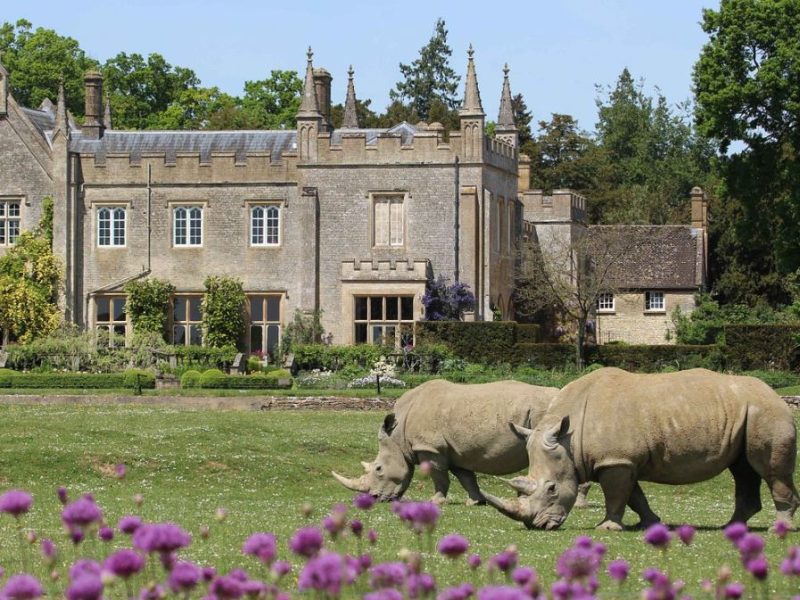
The Cotswold Wildlife Park and Gardens is a renowned zoological collection and botanical garden located in the picturesque Cotswolds region of England, near the town of Burford in Oxfordshire. Established in 1970 by John Heyworth, the park spans over 160 acres of beautifully landscaped grounds, offering visitors a unique opportunity to encounter a diverse array of animals from around the world in a naturalistic setting.
The Cotswold Wildlife Park and Gardens offers a perfect blend of wildlife, nature, and conservation, making it a must-visit destination for animal lovers, nature enthusiasts, and families alike.
Whether you’re marveling at the majesty of a lion, exploring the beauty of a botanical garden, or learning about the importance of conservation, the Cotswold Wildlife Park offers an unforgettable experience that will leave a lasting impression.
What Is the Cotswold Wildlife Park?
One of the defining features of the Cotswold Wildlife Park is its emphasis on conservation and education.
The park is home to over 260 different species of animals, ranging from rare and endangered species to more familiar favourites. Visitors can explore themed exhibits such as the Madagascar exhibit, where lemurs roam freely in a recreation of their natural habitat, or the Tropical House, which is home to exotic birds, reptiles, and amphibians.
Why You Should Visit Cotswold Wildlife
In addition to its impressive collection of animals, the Cotswold Wildlife Park boasts stunning botanical gardens that showcase a wide variety of plants from different regions of the world. Visitors can stroll through beautifully landscaped gardens, including the walled garden, waterfowl garden, and rhododendron walk, admiring colourful blooms and lush greenery at every turn.
The park also offers a range of educational experiences and interactive exhibits designed to engage visitors of all ages. From daily animal talks and feeding sessions to educational workshops and behind-the-scenes tours, there are plenty of opportunities for visitors to learn about wildlife conservation and the importance of protecting endangered species.
For those looking for a more immersive experience, the Cotswold Wildlife Park offers unique opportunities such as keeper experiences, where visitors can shadow a zookeeper for a day and get hands-on experience caring for the animals.

How to Visit Cotswold Wildlife Park & Gardens from Oxford
The park features various amenities, including cafes, picnic areas, and a gift shop, ensuring that guests have everything they need for a fun-filled day out.

Here’s how you can get there:
By Car:
- The Cotswold Wildlife Park & Gardens is located approximately 20 miles west of Oxford, near the town of Burford.
- Take the A40 westbound from Oxford towards Cheltenham.
- Continue on the A40 past Witney and then take the exit onto the A361 towards Burford.
- Follow the A361 into Burford and then take the A361/B4425 towards Lechlade.
- The entrance to the Cotswold Wildlife Park & Gardens will be on your left, clearly signposted.
By Public Transportation:
- While there isn’t a direct public transportation route from Oxford to the Cotswold Wildlife Park & Gardens, you can take a combination of train and bus.
- Take a train from Oxford to either Charlbury or Swindon. From Charlbury, you can catch a bus towards Burford. From Swindon, you can catch a bus towards Lechlade.
- Once you arrive in Burford or Lechlade, you can take a taxi or walk to the Cotswold Wildlife Park & Gardens. Taxis are readily available at the train stations and in the towns.