
Harris Manchester College
Harris Manchester College is one of the constituent colleges of the University of Oxford founded in 1757 as a college for Unitarian students.

Harris Manchester College is one of the constituent colleges of the University of Oxford founded in 1757 as a college for Unitarian students.

Keble College is one of the University of Oxford’s constituent colleges. It is located on Parks Road, opposite the University Museum.

Trinity College is one of the constituent colleges of the University of Oxford in England. It was founded in 1555 by Sir Thomas Pope.

Oxford’s Mansfield College was founded in Birmingham in 1838 as a nonconformist college for university students.

A constituent college of the University of Oxford in England, Worcester College was founded in 1714 by Sir Thomas Cookes.

St Catherine’s College is one of the constituent colleges of the University of Oxford in Oxford, England, and is the youngest college.
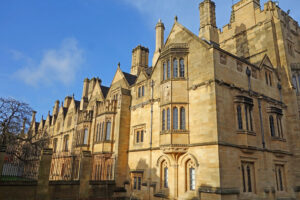
Established in 1458 by William of Waynflete, Magdalen College is a constituent college of the University of Oxford.

St Peter’s College is one of the constituent colleges of the University of Oxford, and it is located in New Inn Hall Street, Oxford, UK.

The Blavatnik School of Government is one of the University of Oxford’s newest and most prestigious academic institutions.
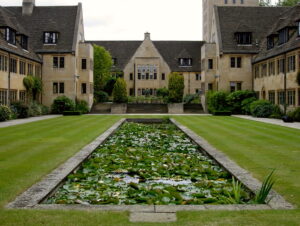
Nuffield College is an English graduate college that specializes in the social sciences, especially economics, politics, and sociology.

A breakdown of the number of applications received by the University of Oxford from different countries (based on the 2024 report).

Are you curious about how rowing works in Oxford? Here are all the essentials about this quintessential Oxfordian activity.

Formal Hall is one of the oldest University of Oxford traditions; one where students wear formal gowns and attend a three-course meal.

If you’re considering studying at Oxford, you might be wondering whether it’s more expensive than other universities. Here’s the answer.

Oxford University regularly receives academics to visits that can last from a month to a year. Learn more about becoming a visiting scholar.

The Sackler Library, is one of the Bodleian Libraries’ principal research libraries. It focuses mainly on the study of archaeology and art.

The Bodleian Oriental Institute or Nizami Ganjavi Library exists to support Oxford students and staff at the Oriental Institute.

The over 70,000 items from the Angus Library and Archive are devoted to the history of the Baptist movement from 1612.

The Vere Harmsworth Library is part of the Bodleian Libraries and houses a collection relating to the history of the United States.

The Bodleian Social Science Library is Oxford University’s main lending and reference library teaching social sciences.

Blackfriars is a Permanent Private Hall (owned by an outside institution) of Oxford University. It houses three distinct institutions.
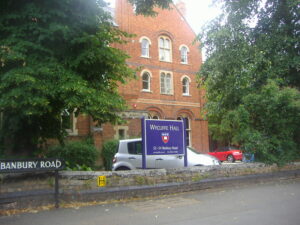
Wycliffe Hall is named after the Bible translator and reformer John Wycliffe, who taught at Balliol College, Oxford in the 14th century.
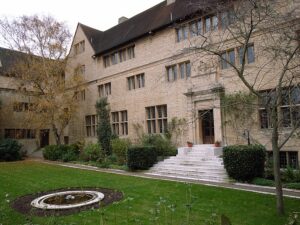
There are six Permanent Private Halls at the University of Oxford in England. Campion Hall is run by the Society of Jesus.
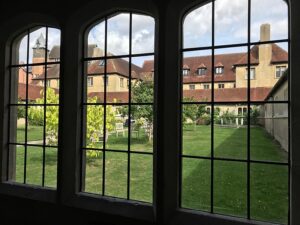
One of the six Permanent Private Halls of Oxford University, St Stephen’s House is an Anglican theological college.
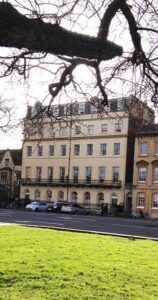
St Benet’s Hall is one of Oxford’s Permanent Private Halls. Its principal building is located on the side of St Giles.

OVADA is a creative space in Oxfordshire, dedicated to supporting artists of all backgrounds in exploring social and political issues.

Antiques on High is an antiques and art shop from Oxford founded in 1997 and open seven days a week. It has won several awards.
Aidan Meller Gallery is one of Oxford’s longest-established specialist art galleries. They showcase modern, contemporary and old masters.

If you’re based in Oxford and looking for a charming and culture-rich escape, Bath makes for an ideal day trip or overnight getaway.

The Oxford Examination Schools were designed with a specific purpose in mind: to host university exams in a dedicated, controlled environment.

Bicester Village is a luxury shopping destination just outside of Oxford with high-end designer brands at discounted prices. How to visit.
OVADA is a creative space in Oxfordshire, dedicated to supporting artists of all backgrounds in exploring social and political issues.

The Rose & Crown is a historic and characterful pub established in 1863. The pub’s interior retains a traditional layout.

All about Heythrop Park Hotel, a Grade II listed country house set within 440 acres of picturesque parkland near oxford.

The Oxford Ice Rink, located on Oxpens Road, is a popular spot for winter fun in Oxford, especially during the holiday season.

The Oxford Victorian Christmas Market features artisan stalls with handcrafted gifts, festive treats, and captivating street entertainment.